
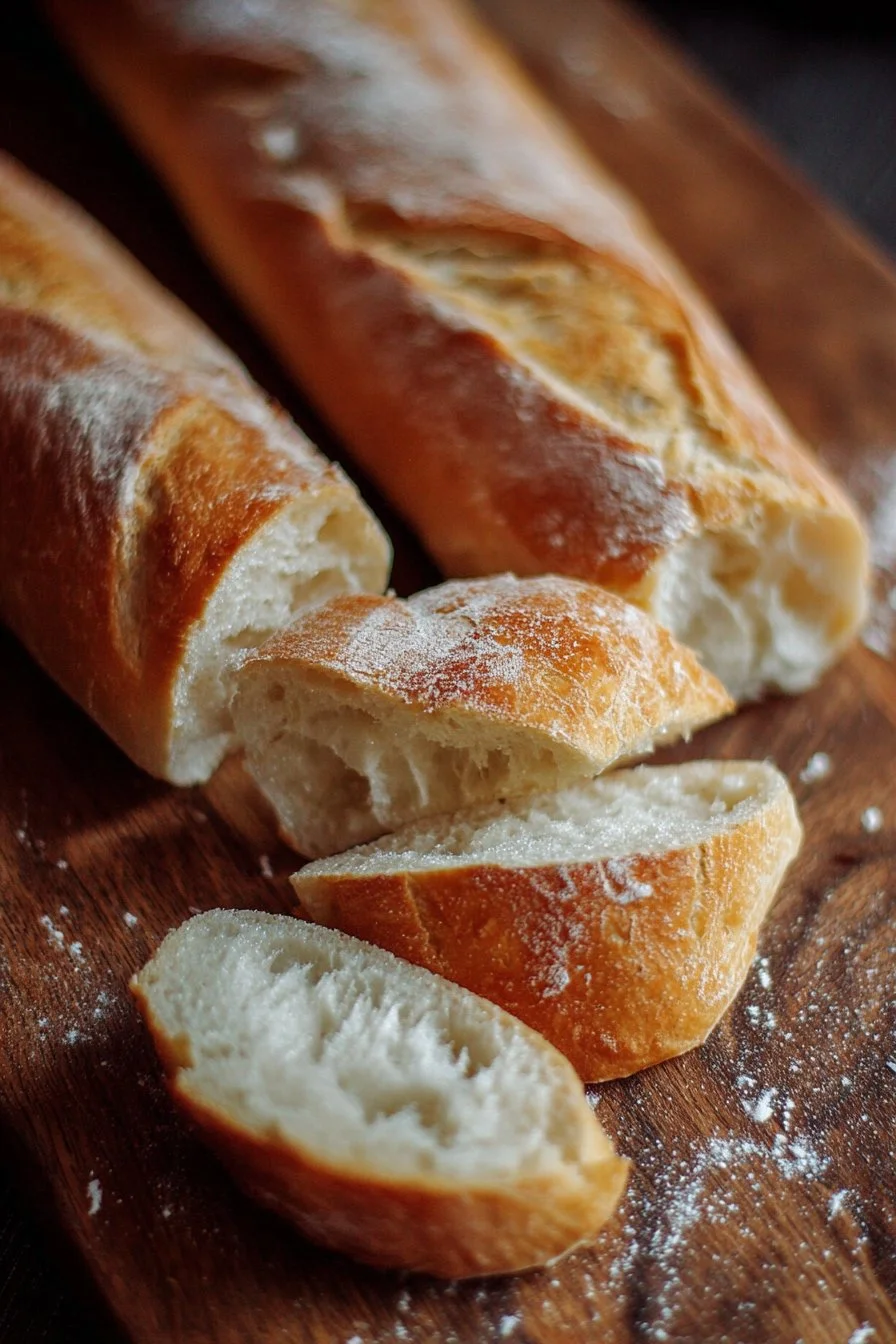
There’s something impossibly satisfying about a golden, crisp baguette with a soft, chewy interior — crunchy crust that sings when you bite and a tender crumb that soaks up butter or soup. This Easy Baguette recipe delivers that classic contrast without intimidating techniques or long ingredient lists. It’s forgiving, straightforward, and perfect for weeknight dinners, casual entertaining, or a cozy weekend bake. Warm slices with olive oil and a sprinkle of flaky salt are bliss, or slice it up for sandwiches and bruschetta — this loaf does it all, and it’s easier than you think. If you’re building a simple meal plan, pairing these loaves with an easy dinner recipes collection will make dinner planning feel effortless.
Why You’ll Love This Easy Baguette
- Classic flavor: a straightforward wheaty aroma with a clean, slightly salty taste that complements almost any spread or dish.
- Crisp exterior, soft interior: the high oven temperature and steam create a crackly crust and an open, chewy crumb.
- Minimal ingredients: pantry staples are all you need — flour, water, salt, yeast, and a little oil if you like.
- Forgiving method: no fancy equipment or precise shaping required — great for bakers at any level.
- Versatile: serve it with soups, salads, cheeses, or use it for sandwiches and garlic bread.
- Quick-ish timeline: from start to finish in a few hours with mostly hands-off rising time.
- Budget-friendly: excellent yield for the cost; homemade baguettes cost far less than bakery versions.
- Make-ahead friendly: dough can be adapted for overnight cold fermentation if you want to prep in advance.
What Is Easy Baguette?
A baguette is a long, thin loaf of French bread known for its crisp crust and airy interior. This Easy Baguette stays true to that identity: it tastes wheaty and slightly salty, with the faint tang that comes from a good yeast rise. Baking uses a high-heat oven with added steam to encourage crust formation, either on a baking stone or a heavy sheet pan. People often serve baguettes with meals (soup, stews, pasta), as part of brunch spreads, or sliced for sandwiches and appetizers. The overall vibe is rustic and comforting — a bakery-style loaf you can make at home without fuss.
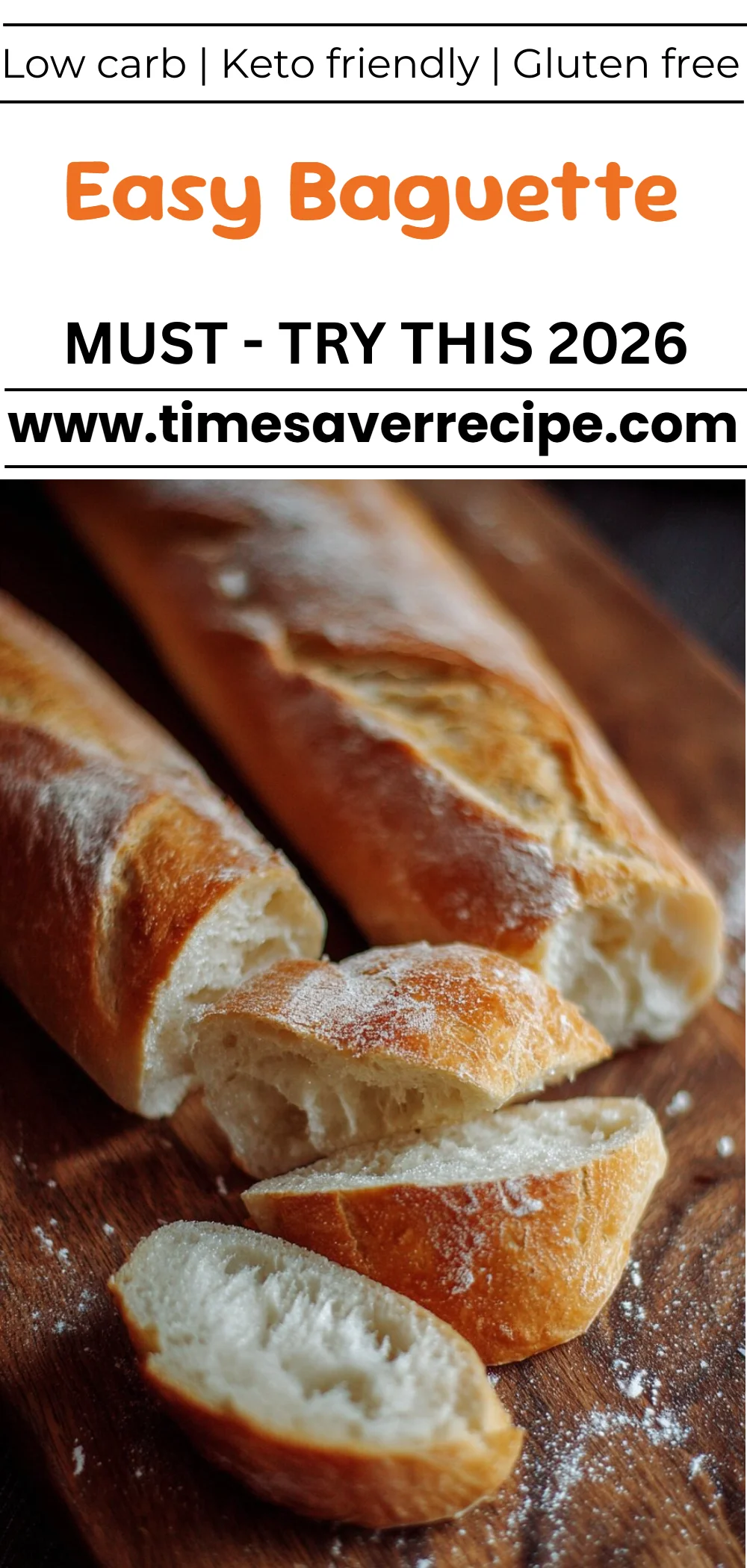
Ingredients for Easy Baguette
For the dough
- 4 cups all-purpose flour
- 1½ cups warm water (100–110°F / 38–43°C)
- 2 teaspoons fine salt
- 1 packet instant yeast (about 2¼ teaspoons)
- 1 tablespoon olive oil (optional)
- 1–2 teaspoons sugar or honey (optional)
For finishing (optional)
- Sesame or poppy seeds for topping (optional)
Ingredient Notes (Substitutions, Healthy Swaps)
- Bread flour: If you want a slightly chewier crumb and higher rise, swap the all-purpose flour for bread flour 1:1.
- Whole wheat: Replace up to half the all-purpose flour with whole wheat flour for a nuttier flavor and more fiber. Expect a denser crumb; increase water slightly if needed.
- Olive oil: Optional for a softer crust and richer flavor. Omit for a more traditional crusty baguette.
- Sugar or honey: Optional — small amounts help yeast activity and add a hint of sweetness; omit if you want a purely savory loaf.
- Gluten-free: Use a tested gluten-free flour blend formulated for yeast breads; follow the blend’s xanthan gum and hydration guidance. This changes texture substantially but keeps the technique similar.
- Lower sodium: Reduce salt to 1½ teaspoons for lower sodium; the flavor will be milder.
- Yeast alternatives: Instant yeast is specified; if using active dry yeast, proof it in the warm water with the sugar for 5–10 minutes before mixing and reduce total yeast slightly.
Step-by-Step Instructions
Step 1 – Mix dry ingredients
In a large bowl, whisk together the flour, salt, and instant yeast until evenly distributed.
Visual cue: The dry mix should look uniform with salt and yeast evenly scattered through the flour.
Step 2 – Add water and mix
Add the warm water (and olive oil, honey, or sugar if using) and stir with a wooden spoon or dough scraper until a shaggy dough forms.
Pro cue: Use warm water within the 100–110°F range to activate yeast quickly without killing it.
Step 3 – Short rest (optional)
Cover the bowl and let the dough rest for 15–20 minutes to hydrate the flour (optional but helpful).
Visual cue: Dough will appear slightly smoother and less shaggy after resting.
Step 4 – Knead
Turn the dough onto a floured surface and knead for 6–8 minutes until smooth and elastic.
Pro cue: A well-kneaded dough will pass the windowpane test—stretch a small piece; it should thin without tearing.
Step 5 – First rise
Place the dough in an oiled bowl, cover, and let rise for 1–1¼ hours until doubled in size.
Visual cue: Dough will roughly double and show small bubbles on the surface and sides.
Step 6 – Shape and proof
Deflate the dough gently, divide and shape into baguettes, then let proof uncovered or lightly covered for 30–45 minutes.
Pro cue: For long baguette shapes, roll the dough gently into a log and taper the ends slightly; avoid over-tightening which can flatten the loaves.
Step 7 – Bake with steam
Preheat the oven to 475°F (246°C) with a baking stone or heavy sheet pan inside. Score the loaves, slide them in, and pour hot water into a pan in the oven to create steam. Bake for 20–25 minutes until golden brown and hollow sounding when tapped. Cool on a wire rack before slicing.
Visual cue: Crust should be deep golden and crackly; tap the bottom for a hollow sound.
Pro cue: Create steam by adding a tray of hot water or misting the oven with water just before baking — it helps the crust develop and expand.
Pro Tips for Success
- Water temperature: Use a thermometer if you have one—100–110°F (38–43°C) is ideal for instant yeast activation without overheating.
- Dough texture: The dough should be tacky but not sticky. Add minimal extra flour while kneading to avoid a dense loaf.
- Kneading time: 6–8 minutes by hand is usually enough. Over-kneading can make the crumb too tight; under-kneading leaves it dense.
- Rising environment: Let dough rise in a warm, draft-free place (about 75°F). If your kitchen is cool, place the bowl in an oven with only the light on.
- Scoring: Make quick, confident slashes using a sharp blade or lame at a 30° angle to encourage neat oven spring.
- Steaming: Add 1 cup of boiling water to a preheated pan when you put the loaves in, or place a tray with hot water on the oven floor—don’t open the oven repeatedly.
- Cooling: Let loaves cool completely before slicing to finish the crumb structure; cutting too early makes the interior gummy.
- Timing: If you need to delay baking, you can refrigerate the shaped loaves for a slow proof up to overnight, then bake from cold (add a few extra minutes to bake time).
Flavor Variations (OPTIONAL)
- Herbed baguette (OPTIONAL): Fold in 1–2 tablespoons of chopped fresh herbs (rosemary, thyme) to the dough or brush olive oil and sprinkle herbs on top before baking.
- Seed-topped (OPTIONAL): After brushing with water or oil, press sesame or poppy seeds onto the surface before baking for extra texture.
- Garlic-parmesan twist (OPTIONAL): Mince 1–2 garlic cloves, mix with a little olive oil, and brush lightly on the baguette after baking, then sprinkle with finely grated Parmesan.
- Slightly sweet (OPTIONAL): Add 1–2 teaspoons sugar or honey (already allowed) for a tender crumb and subtle sweetness that pairs well with jams.
- Whole grain touch (OPTIONAL): Substitute up to half the flour with whole wheat for more flavor and fiber, adjusting water by a tablespoon or two as needed.
- Cheesy tops (OPTIONAL): Sprinkle shredded cheese on top during the last 3–5 minutes of baking for a golden, savory finish.
Serving Suggestions
- Classic pairing: Slice and serve with softened butter and flaky sea salt for an authentic treat.
- For soups and stews: Use hearty slices to mop up broths like French onion or tomato basil.
- Sandwiches: Split lengthwise for a rustic sandwich—try prosciutto and mozzarella, roasted vegetables, or a classic ham and mustard.
- Bruschetta or crostini: Toast thin slices, rub with garlic, top with tomato and basil for an easy appetizer.
- Cheese board: Serve alongside a selection of cheeses, olives, and cured vegetables for entertaining.
- Weekend brunch: For a varied brunch spread, serve baguette slices with fruit, soft cheeses, and a stack of delicate best crepe recipe for sweet-savory contrast.
- Dips and spreads: Excellent with hummus, tapenades, or a warm spinach-artichoke dip.
Make-Ahead, Storage & Reheating
- Make-ahead: You can shape the loaves and refrigerate lightly covered for up to 12–18 hours for a slow proof and deeper flavor. Bake from cold, adding a few extra minutes.
- Short-term storage: Store cooled baguettes in a paper bag or wrapped in a kitchen towel at room temperature for 1-2 days to keep crust texture. Plastic will soften the crust but keep inside moist longer.
- Reheating: To revive crust, sprinkle the loaf lightly with water and reheat in a 375°F oven for 5–8 minutes. Split and toast for sandwiches or use a toaster oven for single slices.
- Texture changes: Over time the crust will soften and the crumb will firm up; reheating restores some crispness but not full freshness.
Storage and Freezing Instructions
- Freezing: Baguettes freeze well. Wrap the cooled loaf tightly in plastic wrap and aluminum foil, or slice and freeze in a freezer bag for convenience.
- Thawing and reheating: Thaw at room temperature, then refresh in a 350–375°F oven for 8–12 minutes (or longer for whole loaves) to crisp the crust.
- Not recommended: Avoid long-term counter storage in plastic, which ruins crust quality. If you don’t plan to eat within 24–48 hours, freezing is the best option.
Nutrition Facts (Per Serving)
| Calories | Protein | Carbs | Fat | Fiber | Sodium |
|———|——–|——|—–|——|——-|
| 156 kcal | 4.5 g | 30 g | 1.6 g | 1.3 g | 393 mg |
Nutrition values are estimates and may vary depending on ingredients and portion sizes.
FAQ About Easy Baguette
- How do I know if the baguette is done?
- Tap the bottom of the loaf — it should sound hollow. The crust should be deep golden brown and firm.
- My crust is soft, not crisp. What went wrong?
- Lack of steam or insufficient oven heat can cause a soft crust. Preheat thoroughly and use a hot pan or stone; add steam at the start of baking.
- Can I use active dry yeast instead of instant yeast?
- Yes. Proof active dry yeast in the warm water with a pinch of sugar for 5–10 minutes before mixing and proceed with the recipe.
- Why is my crumb too dense?
- Under-kneading, too much flour, short first rise, or over-handling during shaping can cause density. Aim for a smooth, elastic dough and allow the dough to double during the first rise.
- How should I reheat leftover slices to restore crispness?
- Lightly mist or sprinkle with water and reheat in a 375°F oven for 5–8 minutes, or toast individual slices.
- Can I make the dough ahead and bake later?
- Yes. After shaping, refrigerate the dough for a slow proof up to 12–18 hours. Bake from cold, adding a few minutes to the bake time.
Notes
- For the best crust, bake on a preheated stone or heavy sheet pan to provide strong bottom heat.
- A sharp blade for scoring makes cleaner cuts and better oven spring—mistakes with blunt knives can smear the dough.
- Small upgrades: a light brush of olive oil after baking and a sprinkle of flaky salt elevates simple flavors.
- Presentation tip: Slice on a slight diagonal for longer, more attractive slices; arrange on a wooden board with butter and small bowls of oil.
- If using seeds, press them gently into the surface after a light brush of water or oil so they stick through baking.
- Keep a small bowl of high-quality olive oil and flaky sea salt nearby for dipping — minimal but elegant.

Easy Baguette
- Total Time: 55 minutes
- Yield: 4 servings
- Diet: Vegetarian
Description
A straightforward recipe for a golden, crisp baguette with a soft, chewy interior, perfect for weeknight dinners or casual entertaining.
Ingredients
- 4 cups all-purpose flour
- 1½ cups warm water (100–110°F / 38–43°C)
- 2 teaspoons fine salt
- 1 packet instant yeast (about 2¼ teaspoons)
- 1 tablespoon olive oil (optional)
- 1–2 teaspoons sugar or honey (optional)
- Sesame or poppy seeds for topping (optional)
Instructions
- Mix dry ingredients by whisking together the flour, salt, and instant yeast until evenly distributed.
- Add warm water (and olive oil, honey, or sugar if using) and stir until a shaggy dough forms.
- Cover the bowl and let the dough rest for 15–20 minutes (optional).
- Turn the dough onto a floured surface and knead for 6–8 minutes until smooth and elastic.
- Place the dough in an oiled bowl, cover, and let rise for 1–1¼ hours until doubled in size.
- Deflate the dough gently, divide and shape into baguettes, then proof uncovered for 30–45 minutes.
- Preheat the oven to 475°F (246°C), score the loaves, and bake for 20–25 minutes until golden brown.
- Cool on a wire rack before slicing.
Notes
For the best crust, bake on a preheated stone or heavy sheet pan. Use a sharp blade for scoring for better oven spring.
- Prep Time: 30 minutes
- Cook Time: 25 minutes
- Category: Bread
- Method: Baking
- Cuisine: French