
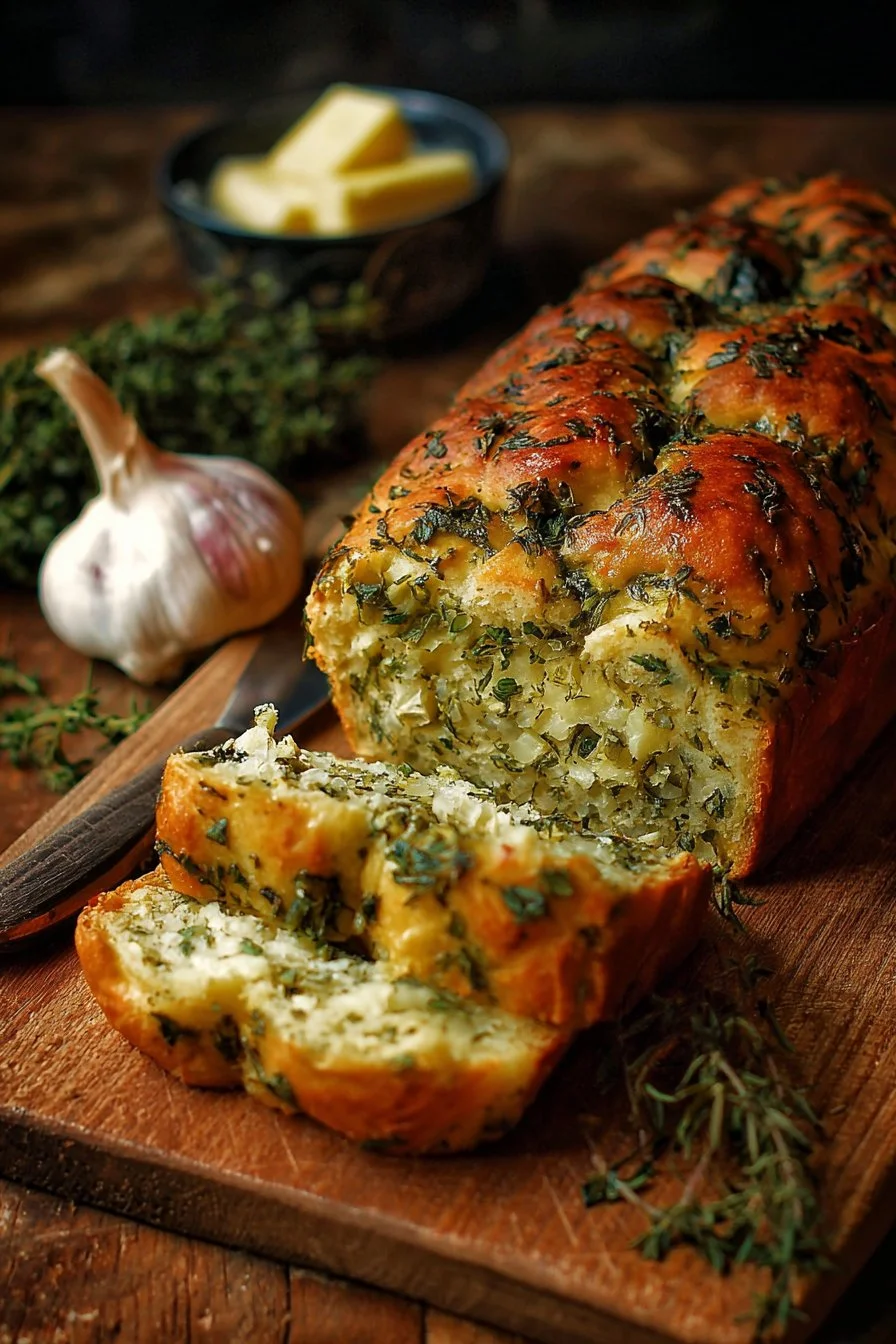
There’s something impossibly comforting about a warm loaf studded with fragrant Italian herbs and melty cheese — crusty on the outside, soft and chewy inside, with pockets of mozzarella and a salty Parmesan finish. This Italian Herbs and Cheese Bread is easy enough for a weekend bake but impressive enough for guests: an everyday artisan loaf that pairs with everything from soup to salads or simply a slather of butter. The aroma alone will pull everyone into the kitchen, and the texture is satisfyingly rustic without requiring complicated techniques. If you want a reference to the original recipe page while you bake, check this detailed Italian Herbs and Cheese Bread recipe page for additional photos and timing notes.
Why You’ll Love This Italian Herbs and Cheese Bread
- Rich herbal flavor from a generous mix of dried basil, oregano, thyme, and rosemary that perfumes every bite.
- Gooey pockets of shredded mozzarella plus a sharp salty hit from grated Parmesan for a classic cheese blend.
- A crisp, golden crust with a soft, slightly chewy crumb—great for sandwiches or tearing apart with soups.
- Straightforward method: standard yeast bread steps (mix, knead, rise, bake) that are friendly for beginner bakers.
- Flexible serving options: works as a side for weeknight dinners, a brunch centerpiece, or an appetizer sliced with dips.
- Uses pantry-staple ingredients most home cooks already have on hand.
- Steam-baking technique produces a professional-looking loaf with a deep golden color and good oven spring.
- Makes the kitchen smell amazing — perfect for cozy nights in or welcoming guests.
What Is Italian Herbs and Cheese Bread?
Italian Herbs and Cheese Bread is an artisan-style yeast loaf flavored with a blend of dried Italian herbs and two cheeses: mozzarella and Parmesan. It tastes savory and aromatic, with herbal notes up front, creamy melted mozzarella inside, and a nutty, salty Parmesan finish. The cooking method is a traditional oven-bake with a steam trick (pouring hot water into a pan on the bottom rack) to encourage a crisp, glossy crust and good rise. People usually serve this bread alongside soups, salads, pasta, or as part of a bread basket at brunch or dinner. The overall vibe is comforting and rustic—familiar enough for weeknights but lovely enough for casual dinner parties.
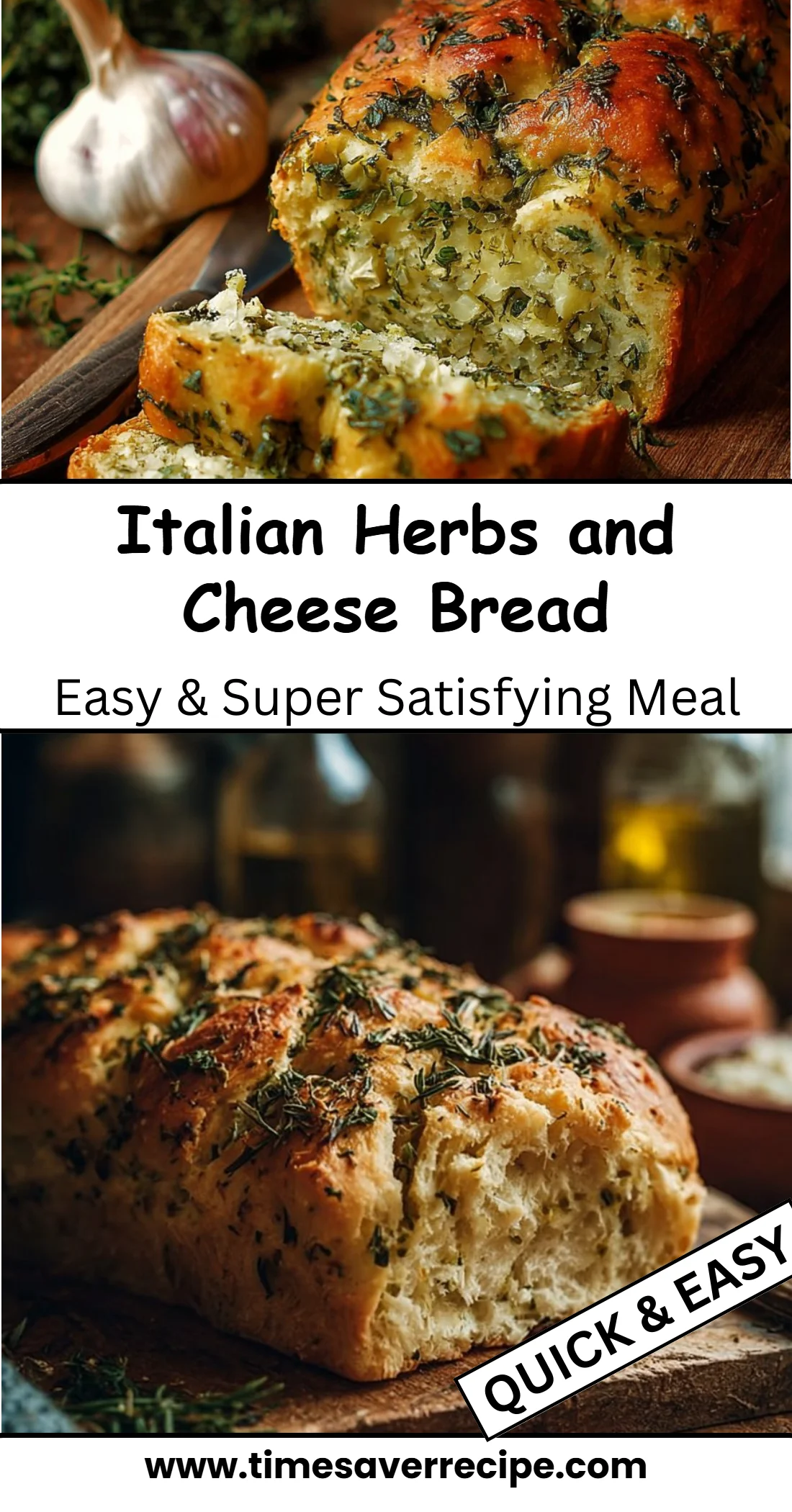
Ingredients for Italian Herbs and Cheese Bread
For the Dough
- 4 cups all-purpose flour (plus extra for dusting)
- 1 packet (2¼ tsp) active dry yeast
- 1¾ cups warm water (about 110°F / 43°C)
- 1 tablespoon sugar
- 1 tablespoon salt
- 2 tablespoons dried Italian herbs (basil, oregano, thyme, rosemary)
- 1 cup shredded mozzarella cheese
- ½ cup grated Parmesan cheese
Ingredient Notes (Substitutions, Healthy Swaps)
- Dairy alternatives: Use a plant-based shredded mozzarella substitute and a dairy-free grated “Parmesan” for a lactose-free version. Texture will be slightly different but the bread will still be flavorful.
- Lower-fat swap: Choose a reduced-fat shredded mozzarella if you want fewer calories; expect a little less gooeyness.
- Gluten-free option: Use a reliable gluten-free all-purpose flour blend formulated for yeast breads and follow the package advice for hydration—breads with gluten-free flours behave differently and may need binders.
- Budget tips: Buy block mozzarella and grate it yourself; it often melts better and is cheaper than pre-shredded varieties.
- Herb tweak: If you only have single herbs, substitute 2 tablespoons total using your preferred mix (e.g., 1 tbsp oregano + 1 tbsp basil).
Step-by-Step Instructions
Step 1 – Proof the Yeast
In a large bowl, combine the warm water and sugar; stir until dissolved. Sprinkle the active dry yeast evenly over the surface and let sit for 5 minutes until foamy.
Visual cue: The surface should look bubbly and slightly frothy — that means your yeast is active.
Step 2 – Mix the Dough
Add the flour, salt, dried herbs, shredded mozzarella, and grated Parmesan to the yeast mixture. Stir until a sticky dough forms.
Pro cue: Use a wooden spoon at first, then switch to your hands when it’s too stiff to stir.
Step 3 – Knead the Dough
Turn the dough onto a lightly floured surface. Knead for 8–10 minutes until the dough is smooth and elastic.
Visual cue: The dough will become less tacky, spring back slightly when pressed, and feel satiny.
Pro cue: If the dough is sticking excessively, dust your hands and the work surface lightly—avoid adding too much flour which can dry the loaf.
Step 4 – First Rise
Place the dough in a lightly greased bowl, cover with plastic wrap, and let rise in a warm spot for 1–2 hours or until doubled in size.
Visual cue: The dough should visibly double and have small air bubbles under the surface.
Pro cue: A proofing drawer or oven with just the light on provides a consistently warm environment.
Step 5 – Shape and Second Rise
Punch down the risen dough, shape it into a loaf, and place on a baking sheet. Cover and let rise for 30 minutes.
Visual cue: After shaping, the dough should look smooth and relaxed; after the second rise it should puff back up noticeably.
Step 6 – Preheat and Prepare for Steam
Preheat the oven to 450°F (230°C) and place a shallow metal pan on the bottom rack. Just before baking, pour hot water into the pan to create steam.
Pro cue: Use piping hot tap water or briefly boil water—steam in the first minutes of baking helps develop a crisp crust and great oven spring.
Step 7 – Bake and Cool
Bake the loaf for 25–30 minutes until deeply golden and it sounds hollow when tapped on the bottom. Remove the loaf and cool on a wire rack for at least 20 minutes before slicing.
Visual cue: A deep golden-brown crust and a hollow sound when tapped indicate doneness.
Pro cue: Give the loaf time to cool; cutting too soon makes the crumb gummy.
Pro Tips for Success
- Check water temperature: Too-hot water kills yeast; aim for about 110°F (43°C) for proofing.
- Measure flour correctly: Spoon and level the flour into the cup instead of scooping to avoid dense dough.
- Watch the first rise, not the clock: Dough in cool kitchens may need the full 2 hours; in warm kitchens it will rise faster.
- Don’t over-flour while kneading: A slightly sticky dough results in a lighter crumb.
- Use steam for crust: Pour hot water into a preheated pan right before sliding the bread in for a bakery-style crust.
- Tap-test for doneness: A hollow sound means the loaf is cooked through; internal temperature should be about 190–200°F if you use a thermometer.
- Cool completely for best slices: Let the loaf rest at least 20 minutes; residual heat finishes the cooking and sets the crumb.
Flavor Variations
All variations are optional and keep the base recipe intact.
- Spicy Italian herbs (optional): Add ½–1 teaspoon crushed red pepper flakes to the dough for a gentle kick.
- Garlic-herb version (optional): Mix 1–2 teaspoons garlic powder into the dough or press thin slices of roasted garlic into the surface before the second rise.
- Extra-cheesy (optional): Fold an additional ½ cup shredded mozzarella into the dough for a more molten interior.
- Herb-forward (optional): Replace the dried herb blend with 2 tablespoons fresh finely chopped herbs (use about double the amount by volume when using fresh), added at step 2.
- Rustic whole-grain hint (optional): Substitute up to 1 cup of the all-purpose flour with whole-wheat flour for nuttier flavor; this may slightly reduce rise and change texture.
Serving Suggestions
- Slice and serve with a warm bowl of tomato soup or minestrone for a cozy pairing.
- Use thick slices to make grilled sandwiches—cheese melts perfectly inside.
- Slice thin and serve on a charcuterie board alongside olives, roasted peppers, and cured cheeses.
- Tear and dip into olive oil and balsamic or herb butter as an appetizer for dinner parties. You might also pair this loaf with a flaky savory pastry like baked ham and cheese croissants for a brunch spread.
- Serve alongside pasta dishes (think puttanesca or bolognese) to sop up sauces.
Make-Ahead, Storage & Reheating
- Make-ahead: You can prepare the dough up to the end of the first rise, then punch it down, wrap it tightly, and refrigerate for up to 24 hours. Bring it back to room temperature before shaping and proceeding with the second rise.
- Refrigerator storage: Store cooled bread in a paper bag or loosely wrapped in a kitchen towel at room temperature for 2–3 days. For longer storage, move to the refrigerator but expect some drying.
- Reheating: To refresh slices, reheat in a 350°F (175°C) oven for 5–8 minutes or toast slices until warm and crusty. Microwaving will soften the crust quickly; use a short burst if needed and finish in the oven for crispness.
- Texture changes: Bread will lose some crispness over time; reheating in the oven restores the crust best.
Storage and Freezing Instructions
- Freezing whole or sliced: This bread freezes well. Wrap the cooled loaf tightly in plastic wrap and then in foil, or cut into slices and freeze between pieces of parchment for easy portioning. Freeze for up to 3 months.
- Thawing: Thaw at room temperature for a few hours, then re-crisp in a 350°F oven for 10–12 minutes.
- If you prefer not to freeze: Keep in an airtight container at room temperature and consume within 2–3 days for best texture.
- Note: Freezing preserves flavor but slightly softens the crumb structure compared to fresh-baked.
Nutrition Facts (Per Serving)
| Calories | Protein | Carbs | Fat | Fiber | Sodium |
|———|——–|——|—–|——|——-|
| 260 kcal | 9 g | 36 g | 9 g | 1.8 g | 420 mg |
Nutrition values are estimates and may vary depending on ingredients and portion sizes.
FAQ About Italian Herbs and Cheese Bread
Q: My dough didn’t rise properly — what went wrong?
A: The most common causes are inactive yeast or water that was too hot or too cold. Make sure water is around 110°F (43°C) and your yeast is fresh. Also ensure the dough is kept in a warm draft-free spot.
Q: The crumb came out dense — how can I get a lighter loaf?
A: Avoid adding extra flour while kneading; the dough should be slightly tacky. Knead until elastic but not stiff and ensure a full first rise until doubled.
Q: Can I use instant yeast instead of active dry yeast?
A: You can, but instant yeast typically doesn’t need proofing. Since the recipe proofing step helps confirm yeast viability, if swapping adjust according to the instant yeast guidance—usually a straight mix method works.
Q: How do I know when the bread is fully baked?
A: Tap the bottom of the loaf — it should sound hollow. If you have a thermometer, internal temperature should be about 190–200°F.
Q: Can I add fresh herbs instead of dried?
A: Yes. Use roughly double the amount of fresh herbs by volume compared to dried and fold them in gently so they don’t weigh down the dough.
Q: What’s the best way to reheat slices without drying them out?
A: Use a 350°F oven for 5–10 minutes or toast slices; for added moisture, wrap in foil for the first few minutes then open to crisp the crust.
Notes
- Serve warm for best melty-cheese texture and aromatic herbs; leftover slices are great toasted the next day.
- For an extra glossy crust, brush the loaf with a little olive oil right before baking (optional tweak).
- Adjust salt slightly if using very salty cheeses—taste the grated Parmesan and reduce salt if needed.
- Presentation tip: Make shallow diagonal slashes across the top before the second rise to create a classic artisan look.
- Small flavor upgrade: Sprinkle a little extra grated Parmesan on top just before baking for a savory crust.
- If you prefer a softer crust, tent the loaf loosely with foil for the last 5–10 minutes of baking.

Italian Herbs and Cheese Bread
- Total Time: 45 minutes
- Yield: 1 loaf
- Diet: Vegetarian
Description
A warm, crusty artisan loaf studded with fragrant Italian herbs and melty cheese, perfect for pairing with soups and salads.
Ingredients
- 4 cups all-purpose flour (plus extra for dusting)
- 1 packet (2¼ tsp) active dry yeast
- 1¾ cups warm water (about 110°F / 43°C)
- 1 tablespoon sugar
- 1 tablespoon salt
- 2 tablespoons dried Italian herbs (basil, oregano, thyme, rosemary)
- 1 cup shredded mozzarella cheese
- ½ cup grated Parmesan cheese
Instructions
- Proof the yeast by combining warm water and sugar in a large bowl; stir until dissolved. Sprinkle yeast and let sit for 5 minutes until foamy.
- Add flour, salt, dried herbs, shredded mozzarella, and grated Parmesan to the yeast mixture. Stir until a sticky dough forms.
- Knead the dough on a lightly floured surface for 8–10 minutes until smooth and elastic.
- Place the dough in a greased bowl, cover, and let rise in a warm spot for 1–2 hours or until doubled in size.
- Punch down the risen dough, shape it into a loaf, and place on a baking sheet. Cover and let rise for 30 minutes.
- Preheat the oven to 450°F (230°C) and place a shallow pan on the bottom rack. Pour hot water into the pan just before baking.
- Bake for 25–30 minutes until golden and hollow-sounding when tapped. Cool on a wire rack for at least 20 minutes before slicing.
Notes
For best results, use 110°F water for proofing. Knead until elastic but avoid over-flouring. Use steam for a crisp crust.
- Prep Time: 15 minutes
- Cook Time: 30 minutes
- Category: Bread
- Method: Baking
- Cuisine: Italian