
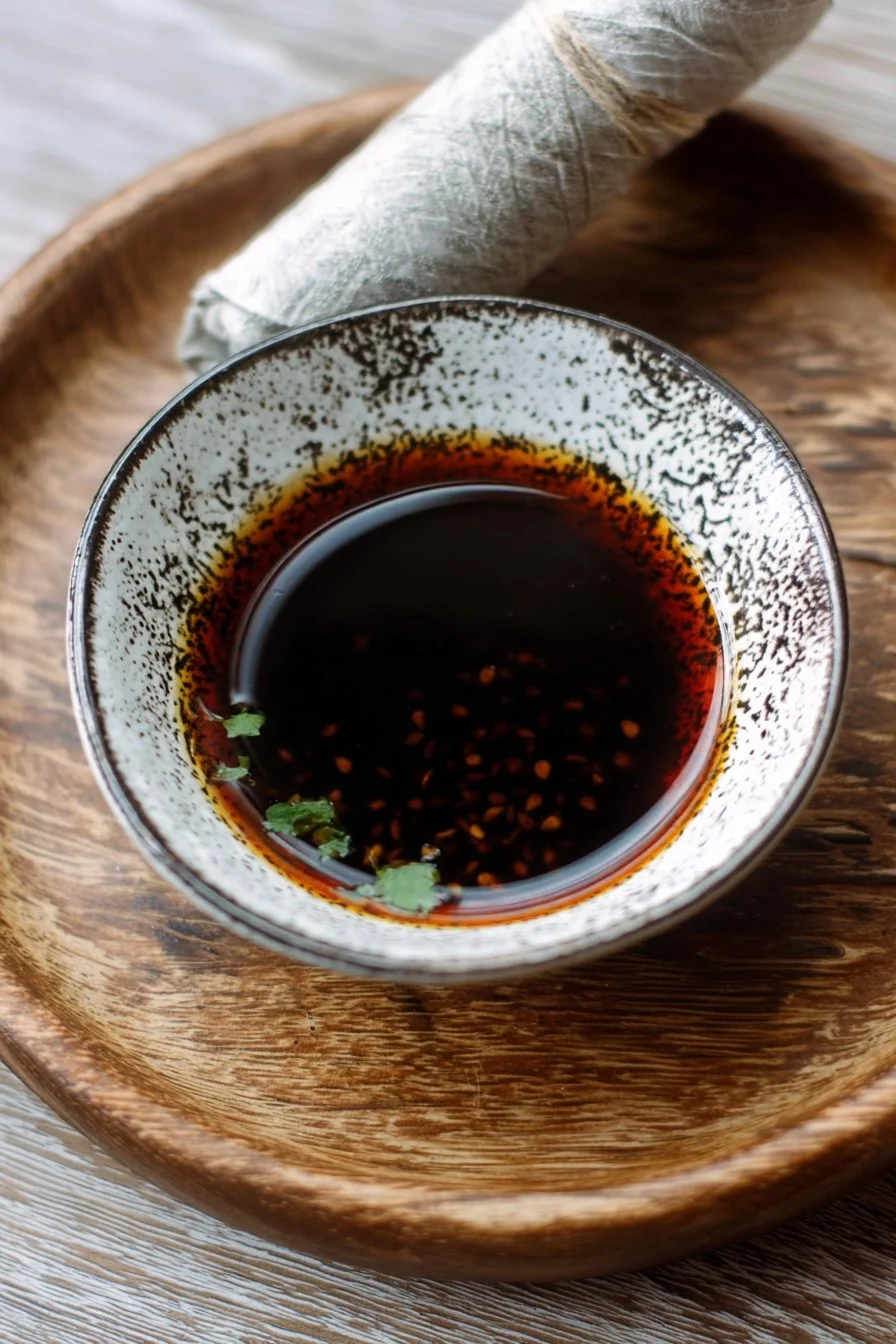
Bright, glossy, and saucy—this Hoisin and Soy Dipping Sauce is exactly the kind of quick flavor boost that makes weeknight meals feel a little more special. Savory soy with a sweet, tangy hoisin backbone, a whisper of toasted sesame oil, and the bright bite of fresh ginger and garlic come together for a silky, slightly thick sauce that clings to dumplings, wraps, roasted veggies, and grilled proteins. It’s fast to pull together, stores well, and plays nicely as both a dipping sauce and a finishing glaze. If you enjoy fast, flavorful sauces that elevate simple food, this one’s a keeper—and if you like robust condiments, you might also enjoy this spicy chicken sandwich with creamy homemade sauce for a very different but equally satisfying application.
Why You’ll Love This Hoisin and Soy Dipping Sauce
- Big flavor from pantry staples: soy sauce and hoisin deliver deep umami and sweet-savory balance.
- Ready in under 10 minutes: minimal prep and no cooking required.
- Silky, glossy texture that clings to dumplings, spring rolls, skewers, and fried bites.
- Fresh aromatics (ginger, garlic, green onion) keep it lively and bright.
- Easily adjustable: tweak sweetness, saltiness, or heat to suit your taste.
- Makes a small batch—perfect if you want a fresh sauce without committing to a large container.
- Great for entertaining: set it out as a dipping option alongside finger foods.
- Works cold or gently warmed depending on your serving preference.
What Is Hoisin and Soy Dipping Sauce?
This Hoisin and Soy Dipping Sauce is a simple, no-cook condiment built around hoisin sauce and soy sauce. It tastes sweet, salty, and savory with a fragrant sesame finish and bright pops from fresh ginger, garlic, and green onions. No cooking technique is required—ingredients are mixed and whisked until smooth—so it’s ideal as a quick condiment for appetizers, weeknight dinners, or casual gatherings. People typically serve it with dumplings, potstickers, spring rolls, grilled meats, and roasted vegetables. The overall vibe is casual comfort food: approachable, flavorful, and perfect for when you want restaurant-style dips at home without fuss.
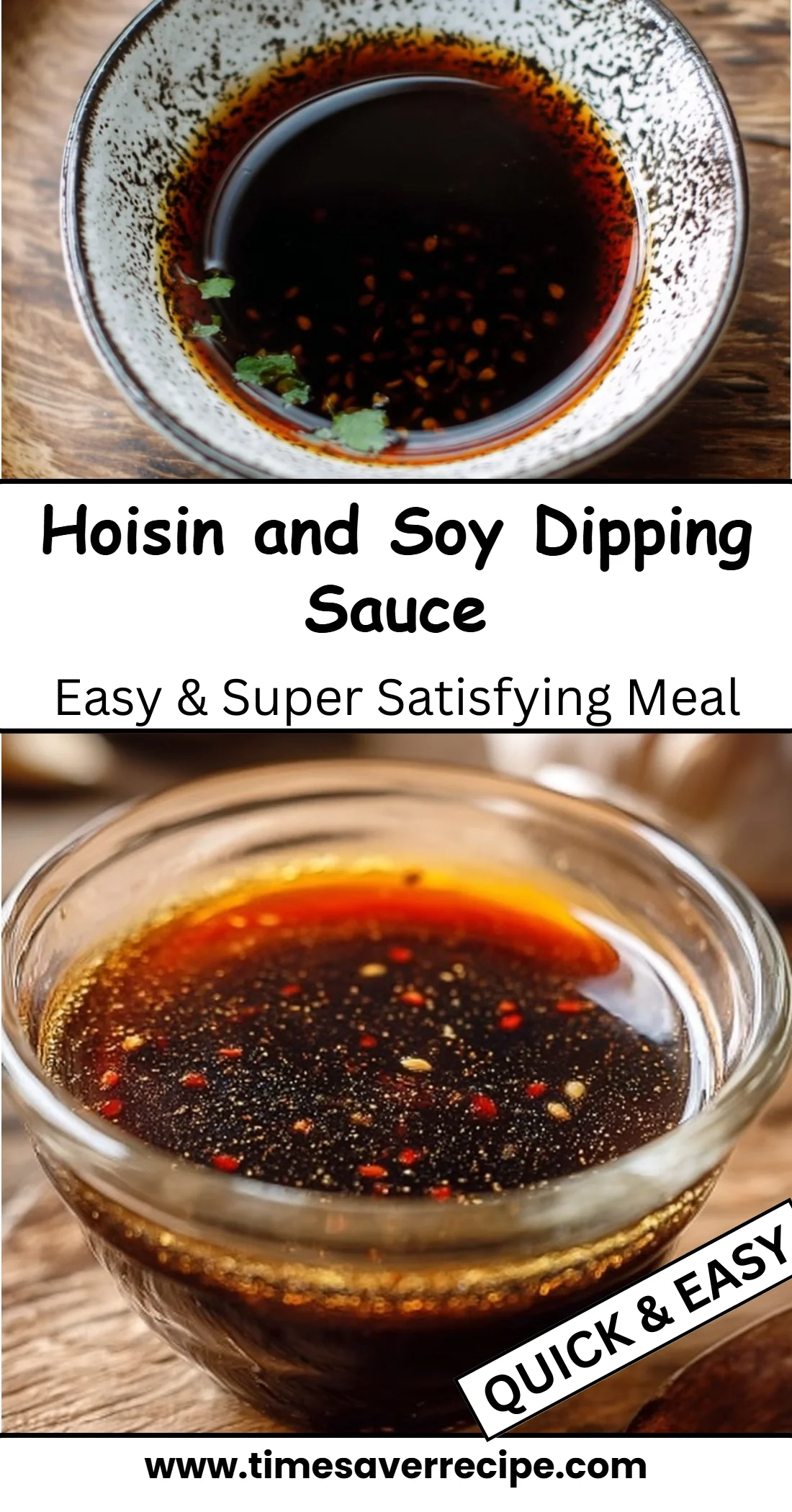
Ingredients for Hoisin and Soy Dipping Sauce
For the Sauce
- 1/4 cup soy sauce (4 tablespoons)
- 1 tablespoon water
- 2 tablespoons hoisin sauce
- 1/4 teaspoon minced fresh ginger
- 1 clove garlic, minced
- 1/2 teaspoon toasted sesame oil
- 1 teaspoon green onions, chopped
- 1/2 teaspoon white sugar (optional)
Ingredient Notes (Substitutions, Healthy Swaps)
- Soy sauce: For a lower-sodium option, use low-sodium soy sauce or tamari for a gluten-free swap. Note: tamari can be darker and a bit thicker.
- Hoisin sauce: Essential for the sauce’s signature sweet-savory profile. If you need to reduce sugar, use slightly less hoisin and add a pinch of white sugar only if desired.
- Sesame oil: Toasted sesame oil provides aroma more than fat—keep the small amount for flavor. If you don’t have toasted sesame oil, you can omit it, but expect a milder finish.
- Fresh aromatics: Fresh ginger and garlic are important for brightness. Minced jarred garlic can work in a pinch, but fresh yields the best flavor.
- Sugar: The 1/2 teaspoon white sugar is optional; it helps round the sauce. Omit it if you prefer less sweetness.
- Green onions: Use the tender green parts for a fresh, oniony lift. Chives can work as an alternative garnish.
- Dietary swaps: Use gluten-free tamari for gluten-free diets. There are also low-sodium hoisin options or reduced-sodium soy sauces if you’re watching salt.
Step-by-Step Instructions
Step 1 – Measure and Dilute the Soy Sauce
Measure the 1/4 cup soy sauce into a small mixing bowl and add 1 tablespoon of water. Stir to combine.
Visual cue: The mixture should look slightly less concentrated and pour more smoothly once diluted.Step 2 – Add Hoisin and Sesame Oil
Add the 2 tablespoons hoisin sauce and 1/2 teaspoon toasted sesame oil to the bowl, stirring until partially incorporated.
Pro cue: Stir the hoisin in first to help it dissolve more evenly into the soy base.Step 3 – Add Fresh Aromatics and Sugar
Stir in the 1/4 teaspoon minced fresh ginger, 1 clove garlic (minced), and 1 teaspoon chopped green onions. Add 1/2 teaspoon white sugar if you want a slightly sweeter finish.
Visual cue: The sauce will begin to look glossy and have small flecks of green and ginger throughout.Step 4 – Whisk Until Smooth
Whisk briskly until the mixture is smooth and glossy, with no streaks of hoisin. Taste and adjust flavors as needed—add a tiny pinch of sugar if you want sweeter or a splash more water to thin.
Pro cue: Use a small whisk or fork; vigorous whisking helps the hoisin emulsify into the soy base for that silky texture.Step 5 – Rest and Chill
Cover and refrigerate for 1 to 2 hours before serving. This resting time lets the flavors meld and the aromatics mellow. If you prefer, serve right away for a punchier fresh ginger and garlic pop.
Visual cue: After chilling, the sauce will appear slightly thicker and the flavors more integrated.
Pro Tips for Success
- Mince aromatics very finely so they disperse evenly; large chunks can overpower bites.
- If the sauce seems too salty, add a teaspoon or two of water and whisk again to balance.
- For the glossiest texture, whisk until the hoisin fully incorporates—small streaks mean it needs more whisking.
- Use the toasted sesame oil sparingly; it’s potent and is meant as a finishing flavor rather than a base oil.
- Taste before adding sugar—hoisin is sweet on its own and you may not need the optional 1/2 teaspoon.
- Make the sauce ahead and chill for a rounder, more integrated flavor; but if you want bright, immediate aromatics, serve sooner.
- Avoid using regular vegetable oil as a substitute for sesame oil if you want that characteristic nutty aroma.
Flavor Variations (Optional)
- Spicy version: Add a small dash of hot sauce or a pinch of red pepper flakes to the mixed sauce for heat. (Optional: don’t add unless desired.)
- Citrusy lift (optional): Stir in a tiny squeeze of lime or lemon juice just before serving to brighten flavors.
- Garlic-forward (optional): Double the minced garlic for a more pungent profile, especially if pairing with milder foods.
- Milder, sweeter (optional): Increase hoisin by 1 teaspoon and omit the optional sugar for a slightly sweeter, smoother sauce.
- Herb twist (optional): Add finely chopped cilantro or basil as a fresh garnish right before serving for a herbaceous note.
Serving Suggestions
- As a dip for dumplings, potstickers, and spring rolls. The sauce’s thickness helps it cling to wrappers and fillings.
- Drizzled over grilled chicken skewers, tofu, or roasted vegetables for an instant glaze.
- Served with fried appetizers like tempura or crispy tofu as a bright, savory dip.
- Mixed into a bowl of warm rice or noodles as a quick sauce to dress a simple grain bowl.
- Elevated sandwich spread: use sparingly as a savory spread for Asian-inspired wraps or sandwiches.
- For a protein-focused meal, it pairs nicely with baked fish; try it alongside baked Cajun salmon with avocado lime sauce for complementary flavors.
- Party idea: set it in a small bowl alongside a trio of dipping sauces for dipping station variety.
Make-Ahead, Storage & Reheating
- Make-ahead: Prepare the sauce up to 24 hours in advance to let flavors meld; cover tightly and refrigerate.
- Refrigerator storage: Store in an airtight container for up to 5 days.
- Reheating: This sauce is typically served cold or at room temperature; if you prefer it warm, gently reheat in a small saucepan over low heat just until slightly warmed—avoid boiling.
- Texture changes: The sauce may thicken slightly when chilled; whisk in a little water to loosen before serving if needed.
Storage and Freezing Instructions
- Freezing: Not recommended. The fresh aromatics (ginger, garlic, green onions) can become muted, and texture may change after thawing. Because this is a small, quick sauce, it’s best made fresh or stored refrigerated for a few days.
- Alternative: If you want to preserve a larger batch of the base, mix soy sauce and hoisin only and store that mixture for up to 1 week; add fresh aromatics just before serving for best flavor.
Nutrition Facts (Per Serving)
| Calories | Protein | Carbs | Fat | Fiber | Sodium |
|———|——–|——|—–|——|——-|
| 150 kcal | 4 g | 16 g | 2 g | 0.5 g | 3800 mg |
Nutrition values are estimates and may vary depending on ingredients and portion sizes.
FAQ About Hoisin and Soy Dipping Sauce
Q: Why is my sauce salty?
A: Soy sauce is naturally high in sodium. Try diluting with an extra teaspoon of water or using low-sodium soy sauce next time.Q: Can I use dried ginger or garlic powder?
A: Fresh is recommended for brightness. Powdered forms will change the texture and won’t provide the same fresh bite, but can be used in a pinch.Q: My sauce looks separated—how do I fix it?
A: Whisk vigorously; the hoisin may need more emulsifying. A small splash of water can help bring it together.Q: How long will this sauce keep in the fridge?
A: Stored in an airtight container, it will keep up to 5 days. Stir well before serving.Q: Can I make a larger batch and freeze it?
A: Freezing is not recommended because the fresh aromatics and texture don’t hold up well. Make smaller batches or mix base ingredients and add aromatics later.Q: Can I warm this sauce to use as a glaze?
A: Yes—gently warm over low heat for a few minutes. Don’t boil; high heat can dull fresh flavors.
Notes
- For presentation, serve in a small shallow bowl with a sprinkle of extra chopped green onions on top.
- To intensify the sesame aroma, briefly warm the sesame oil (off heat) then stir into the sauce before serving.
- If you notice overpowering salt, balance with the optional sugar or a touch more water.
- Use a small whisk or fork to achieve the smoothest, glossiest texture.
- When pairing, think about texture contrast: crunchy dumplings, crisp vegetables, or charred grilled items are great matches.
- If you like layered flavors, prepare the sauce ahead and check it after chilling—flavors will be more integrated and slightly milder, which many people prefer.
Hoisin and Soy Dipping Sauce
- Total Time: 120 minutes
- Yield: 4 servings
- Diet: Vegetarian
Description
A quick and flavorful dipping sauce featuring soy sauce and hoisin for a savory-sweet boost.
Ingredients
- 1/4 cup soy sauce (4 tablespoons)
- 1 tablespoon water
- 2 tablespoons hoisin sauce
- 1/4 teaspoon minced fresh ginger
- 1 clove garlic, minced
- 1/2 teaspoon toasted sesame oil
- 1 teaspoon green onions, chopped
- 1/2 teaspoon white sugar (optional)
Instructions
- Measure the 1/4 cup soy sauce into a small mixing bowl and add 1 tablespoon of water. Stir to combine.
- Add the 2 tablespoons hoisin sauce and 1/2 teaspoon toasted sesame oil to the bowl, stirring until partially incorporated.
- Stir in the 1/4 teaspoon minced fresh ginger, 1 clove garlic (minced), and 1 teaspoon chopped green onions. Add 1/2 teaspoon white sugar if you want a slightly sweeter finish.
- Whisk briskly until the mixture is smooth and glossy, with no streaks of hoisin. Taste and adjust flavors as needed.
- Cover and refrigerate for 1 to 2 hours before serving.
Notes
For best flavor, serve chilled after resting or right away for a strong ginger and garlic punch.
- Prep Time: 5 minutes
- Cook Time: 0 minutes
- Category: Sauce
- Method: Mixing
- Cuisine: Asian