
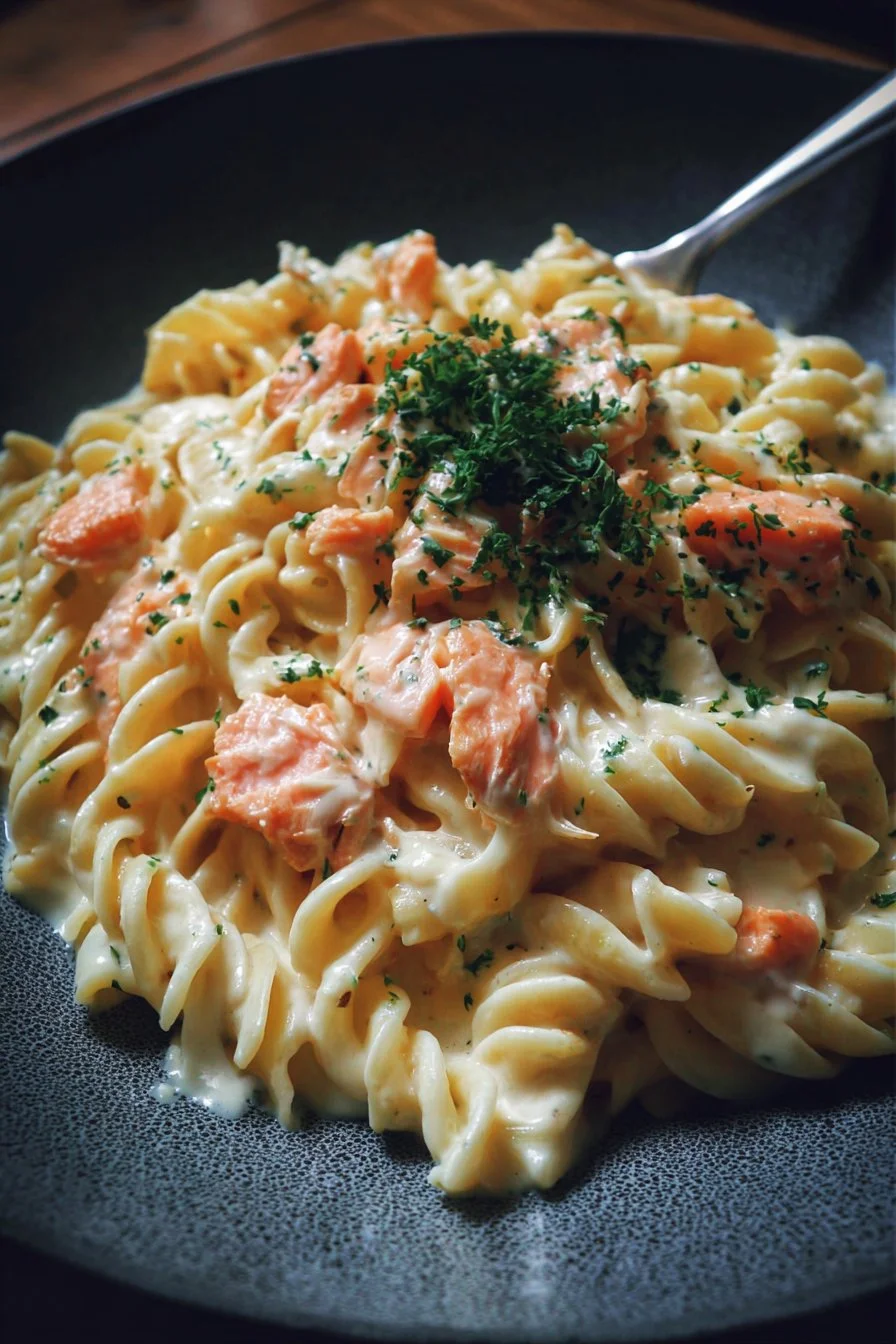
Creamy, silky, and just a little indulgent, this Creamy Salmon Pasta is the kind of weeknight dinner that feels special without needing a lot of fuss. Tender bites of salmon mingle with a velvety Parmesan cream that clings to every noodle, while a pinch of fresh dill or parsley brightens each forkful. It comes together fast—perfect for busy evenings, casual date nights, or a comforting Sunday supper—and uses pantry-friendly staples. If you like a sauce that’s rich but not heavy, and flaky salmon in every bite, you’ll love how simply everything falls into place in this recipe. For a shortcut or extra inspiration, you can compare methods with this creamy salmon pasta guide that focuses on time-saving tips.
Why You’ll Love This Creamy Salmon Pasta
- Rich, silky sauce: heavy cream and freshly grated Parmesan create a smooth, luxurious coating for the pasta.
- Flaky protein in every bite: salmon pieces cook quickly and remain tender, offering substantial texture.
- Minimal ingredients: pantry-friendly components keep the recipe approachable and budget-wise.
- Speedy weeknight dinner: from boiling water to plated in about 25–30 minutes.
- Versatile serving: works with fettuccine, penne, or any similar pasta shape you have on hand.
- Fresh finish: dill or parsley adds a bright, herbaceous lift that balances the cream.
- Easy to scale: double the quantities for a dinner party or halve them for two servings.
- Comfort food with class: cozy and luxurious without being overwrought—perfect for casual entertaining.
What Is Creamy Salmon Pasta?
Creamy Salmon Pasta is a simple pasta dish where cooked salmon pieces are folded into a Parmesan-enriched cream sauce and tossed with al dente pasta. The flavor is rich and savory from the cream and Parmigiano, with a gentle seafood sweetness from the salmon and a fresh herbal finish from dill or parsley. The cooking method pairs stovetop-poached-style salmon in a skillet with a quick cream sauce, then everything is finished together so the flavors meld. It’s commonly served as a comforting weeknight meal, a laid-back dinner for guests, or a cozy Sunday supper. The overall vibe is homey and elegant—comfort food that still feels a little special.
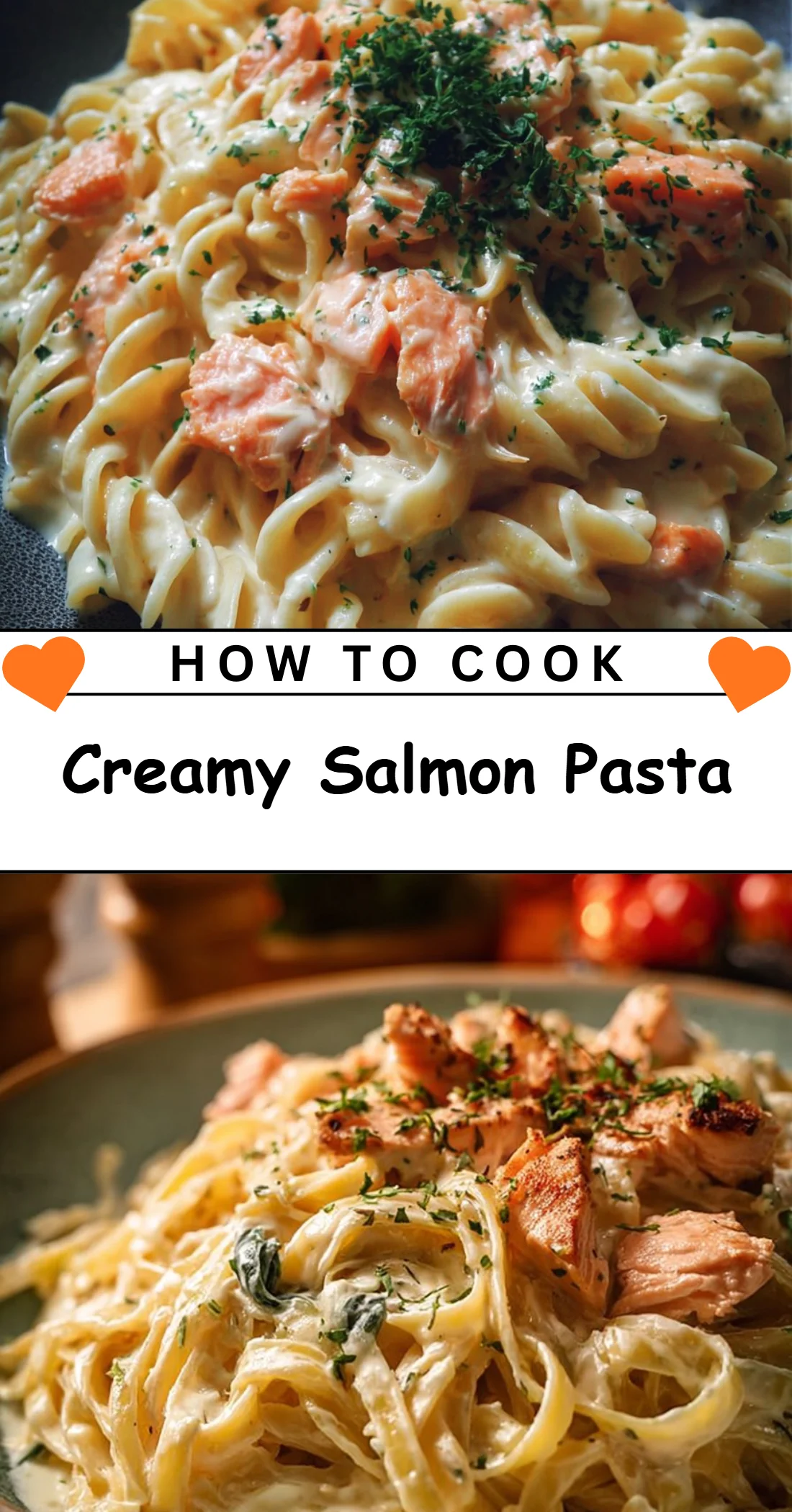
Ingredients for Creamy Salmon Pasta
For the Base
- 8 oz pasta (fettuccine, penne, or similar) (about 225 g)
For the Salmon & Cooking
- 2 tablespoons olive oil (about 30 ml)
- 1 pound salmon fillets, skinless and cut into ~1-inch pieces (about 450 g)
For the Sauce
- 3 cloves garlic, minced
- 1 cup heavy cream (240 ml)
- 1 cup grated Parmesan cheese (freshly grated preferred) (about 100 g)
- Salt and freshly ground black pepper, to taste
For Serving
- Fresh dill or parsley, chopped, for garnish
Ingredient Notes (Substitutions, Healthy Swaps)
- Dairy alternatives: For a lighter take, use half-and-half instead of heavy cream, but expect a thinner, less luxurious sauce. If you need a non-dairy version, full-fat coconut milk will produce a creamy texture but will change the flavor profile. (Optional — not part of the base recipe.)
- Cheese swap: If fresh Parmesan is unavailable, a pre-grated Parmesan can be used, though freshly grated melts creamier. Avoid powdered Parmesan blends that contain starches; they won’t meld as smoothly.
- Gluten-free option: Substitute gluten-free pasta of a similar shape and cook according to package directions.
- Lower-fat swap: Reduce heavy cream by replacing half with reserved pasta water for a lighter texture; the sauce will remain flavorful thanks to the Parmesan.
- Salmon alternatives (optional): While this recipe centers on salmon, other firm fish can work in a pinch, but the cooking time and texture will differ.
- Salt caution: Parmesan is salty—season the sauce gradually and taste before adding more salt.
Step-by-Step Instructions
Step 1 – Cook the pasta
Bring a large pot of generously salted water to a boil. Add the pasta and cook until al dente according to package directions. Before draining, scoop out and reserve 1/4 cup of the hot pasta cooking water. Drain the pasta and set aside.
Visual cue: The pasta should be tender but still firm to the bite; the reserved water will look slightly cloudy from starch.Step 2 – Sear the salmon
While the pasta cooks, heat the olive oil in a large skillet over medium heat until shimmering. Pat the salmon dry and add it in a single layer. Cook, stirring occasionally, until the pieces are opaque and just cooked through—about 5–6 minutes.
Visual cue: Salmon pieces will turn opaque and flake easily with a fork but should not be dry.Step 3 – Add the garlic
Push the salmon to one side of the pan. Add the minced garlic to the empty space and sauté 1–2 minutes until fragrant.
Pro cue: Watch the garlic closely—browned garlic tastes bitter. Keep the heat moderate and stir to prevent sticking.Step 4 – Build the cream sauce
Pour in the heavy cream and bring it to a gentle simmer. Stir in the grated Parmesan until it melts and the sauce becomes smooth and silky. If the sauce seems too thick, loosen it with a tablespoon of the reserved pasta water.
Visual cue: The sauce should coat the back of a spoon and appear glossy.Step 5 – Season and combine
Season the sauce with salt and freshly ground black pepper to taste. Add the drained pasta to the skillet and toss gently to coat. Heat for 1–2 minutes until everything is warmed through. Add more reserved pasta water if needed to achieve the desired consistency.
Pro cue: Use tongs to gently fold the pasta and salmon together to avoid breaking up the fish too much.Step 6 – Serve
Serve immediately, garnished with chopped fresh dill or parsley.
Visual cue: Each strand or piece of pasta should be evenly coated, with visible pieces of flaky salmon and flecks of green herb.
Pro Tips for Success
- Heat control: Keep the skillet at medium—too hot and the cream can split, too low and the sauce won’t reduce or thicken properly.
- Dry the salmon: Pat salmon pieces dry before searing to get a nice exterior and avoid steaming.
- Freshly grate the cheese: Freshly grated Parmesan melts smoother and contributes a better finish than pre-shredded varieties.
- Use reserved pasta water: Starchy pasta water helps the sauce cling to pasta and smooths out the texture without watering down flavor.
- Don’t overcook the salmon: Remove the salmon from heat as soon as it’s opaque to avoid dry, tough pieces.
- Taste as you go: Parmesan adds salt; taste before adding additional salt so the dish doesn’t become over-seasoned.
- Gentle toss: Mix the pasta and salmon gently to keep salmon pieces intact for a pleasant presentation.
Flavor Variations (Optional)
- Spicy version: Stir in a pinch of red pepper flakes when you add the garlic for a subtle heat boost.
- Lemon lift: Add a teaspoon of lemon zest to the sauce at the end for brightness (optional).
- Herby twist: Replace dill with chopped chives or basil for a different herbal note (optional).
- Lighter version: Swap half the heavy cream for half-and-half or use more reserved pasta water to thin the sauce (optional).
- Extra cheese: Stir in an additional 1/4 cup Parmesan for a cheesier finish (optional).
- Textural crunch (optional): Top with toasted breadcrumbs before serving for contrast.
Serving Suggestions
- Side salad: A crisp green salad with a lemon vinaigrette cuts through the richness beautifully.
- Roasted vegetables: Serve with roasted asparagus or broccoli for a complete meal.
- Bread: A simple crusty loaf or garlic bread is great for sopping up any leftover sauce.
- Occasion: Works well for date nights, family dinners, or when you want dinner that feels elevated with minimal effort.
- Plating idea: Twirl portions of pasta onto warm plates, arrange salmon pieces on top, and sprinkle herbs for a bistro-style presentation.
- Pairing: Keep beverages simple and refreshing—sparkling water with a squeeze of lemon or a light iced tea complements the dish.
If you enjoy salmon dinners with creamy sauces, try pairing this pasta with a light side or alternate salmon preparations for variety.
Make-Ahead, Storage & Reheating
- Make-ahead: You can cook the pasta and salmon separately and store them in the refrigerator for up to 24 hours before finishing. Reheat gently and combine with warmed cream and Parmesan to refresh the sauce.
- Refrigerator storage time: Store leftovers in an airtight container for up to 3 days.
- Reheating methods:
- Stovetop (recommended): Rewarm gently in a skillet over low heat with a splash of reserved pasta water or cream to loosen the sauce. Heat just until warmed through to avoid overcooking the salmon.
- Microwave: Reheat in short 20–30 second bursts, stirring between intervals and adding a tablespoon of water or cream to maintain sauce texture.
- Texture changes after storage: Cream-based sauces can thicken or separate after refrigeration. Loosen with warm pasta water or a small splash of cream while reheating and whisk gently to recombine.
Storage and Freezing Instructions
- Freezing: Freezing is not recommended for best texture. Creamy sauces with dairy often separate and become grainy when frozen and reheated, and salmon can become dry.
- Alternative: If you must plan ahead, freeze cooked salmon pieces on a tray, then transfer to a freezer bag for up to 1 month. Thaw and gently reheat, then freshly prepare the cream sauce and pasta for best results.
- Short-term storage: Refrigeration for up to 3 days gives the best balance of safety and texture.
Nutrition Facts (Per Serving)
| Calories | Protein | Carbs | Fat | Fiber | Sodium |
|———|——–|——|—–|——|——-|
| 680 kcal | 38 g | 56 g | 32 g | 2 g | 750 mg |
Nutrition values are estimates and may vary depending on ingredients and portion sizes.
FAQ About Creamy Salmon Pasta
- How do I know when the salmon is cooked?
- Salmon is done when it turns opaque and flakes with a fork. For 1-inch pieces, 5–6 minutes over medium heat should be sufficient.
- My sauce looks too thick—how do I thin it without losing flavor?
- Stir in 1 tablespoon at a time of the reserved pasta water until you reach the desired consistency; the starchy water keeps flavor intact.
- Can I use canned salmon instead of fresh?
- Canned salmon would change texture and moisture; it’s optional but not recommended if you want the flaky pieces described here.
- Will the Parmesan melt into the sauce smoothly?
- Freshly grated Parmesan melts best. Add it slowly while the cream is gently simmering and stir until smooth.
- How long will leftovers keep safely in the fridge?
- Store in an airtight container and consume within 3 days.
- Can I make this gluten-free?
- Yes—use a gluten-free pasta of a similar shape and cook according to the package instructions.
Notes
- Plating idea: Warm plates slightly before serving to keep the cream from congealing too fast.
- Small flavor upgrade: Fold in a tiny knob of butter at the end for extra sheen and mouthfeel.
- Seasoning adjustments: Add salt sparingly—Parmesan contributes significant saltiness already.
- Presentation tip: Reserve a few small whole salmon pieces to place on top of each plate for a restaurant-style look.
- Herb timing: Add fresh herbs right before serving to preserve their color and brightness.
- Leftovers tip: When reheating, add a splash of liquid and warm gently to preserve the salmon texture and re-emulsify the sauce.
Creamy Salmon Pasta
- Total Time: 30 minutes
- Yield: 4 servings
- Diet: Pescatarian
Description
A rich and silky pasta dish featuring tender salmon in a luxurious cream and Parmesan sauce, topped with fresh herbs.
Ingredients
- 8 oz pasta (fettuccine, penne, or similar) (about 225 g)
- 2 tablespoons olive oil (about 30 ml)
- 1 pound salmon fillets, skinless and cut into ~1-inch pieces (about 450 g)
- 3 cloves garlic, minced
- 1 cup heavy cream (240 ml)
- 1 cup grated Parmesan cheese (freshly grated preferred) (about 100 g)
- Salt and freshly ground black pepper, to taste
- Fresh dill or parsley, chopped, for garnish
Instructions
- Bring a large pot of generously salted water to a boil. Add the pasta and cook until al dente according to package directions. Before draining, scoop out and reserve 1/4 cup of the hot pasta cooking water. Drain the pasta and set aside.
- Heat the olive oil in a large skillet over medium heat until shimmering. Pat the salmon dry and add it in a single layer. Cook, stirring occasionally, until the pieces are opaque and just cooked through—about 5–6 minutes.
- Push the salmon to one side of the pan. Add the minced garlic to the empty space and sauté 1–2 minutes until fragrant.
- Pour in the heavy cream and bring it to a gentle simmer. Stir in the grated Parmesan until it melts and the sauce becomes smooth and silky. If the sauce seems too thick, loosen it with a tablespoon of the reserved pasta water.
- Season the sauce with salt and freshly ground black pepper to taste. Add the drained pasta to the skillet and toss gently to coat. Heat for 1–2 minutes until everything is warmed through. Add more reserved pasta water if needed to achieve the desired consistency.
- Serve immediately, garnished with chopped fresh dill or parsley.
Notes
For a lighter version, use half-and-half instead of heavy cream or increase the amount of reserved pasta water. Freshly grated Parmesan is preferred for a creamy texture. Store leftovers in an airtight container for up to 3 days and reheat gently.
- Prep Time: 10 minutes
- Cook Time: 20 minutes
- Category: Main Course
- Method: Stovetop
- Cuisine: Italian